
Welcome to the Tracefossils subsite on Invertebrate Paleontology!
Please enter a genera name to retrieve more information.
Asteriacites
Classification
Phylum:
Trace Fossils and Problematica
Class:
Trace Fossils
Formal Genus Name and Reference:
Asteriacites von SCHLOTHEIM, 1820, p. 324
Type Species:
A. lumbricalis
Images
(Click to enlarge in a new window)
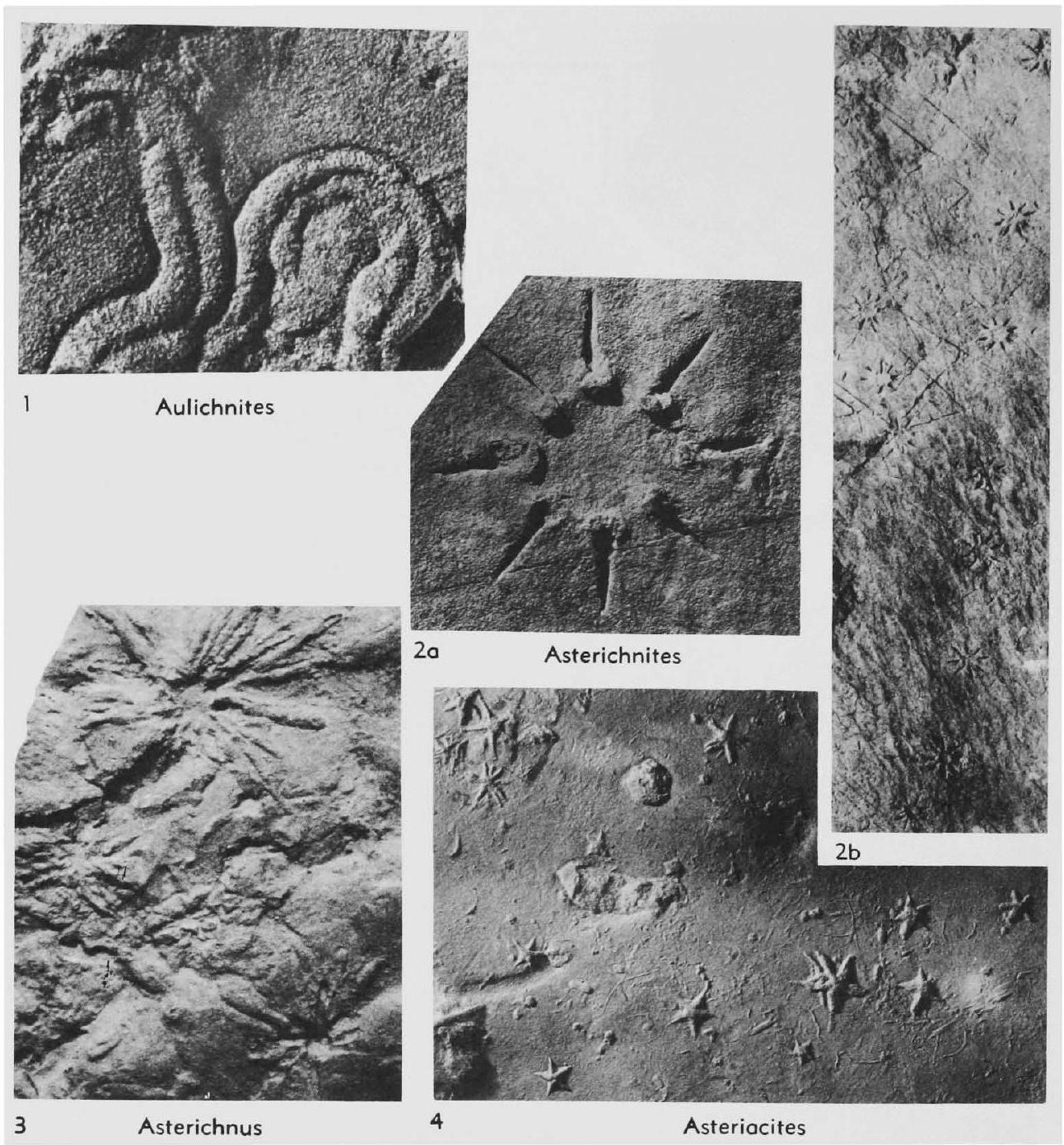 Fig. 26,4. *A. lumbricalis, L.Jur., Ger.; X0.5 (Seilacher, 1953)
Synonyms
Geographic Distribution
Eu.-USA
Age Range
Beginning Stage in Treatise Usage:
Ord.
Beginning International Stage:
Tremadocian
Fraction Up In Beginning Stage:
0
Beginning Date:
486.85
Ending Stage in Treatise Usage:
Tert.
Ending International Stage:
Gelasian
Fraction Up In Ending Stage:
100
Ending Date:
1.81
Description
Impressions in form of asteroids or ophiuroids, with transversely sculptured arms, their striae produced by activity of digging tube feet, often intersected by traces of neighboring animals (" horizontal repetition" ) or (as reaction to rapid sedimentation; see Fig. 17) "vertical repetition"; morphology dependent on preservation as convex hyporelief or concave epirelief. [Three different conical, subconical, or subcylindrical biogenic structures with pentameral symmetry on sides (ridges coarsely striated or double rows of nodes or rounded radial ridges) from the Pennsylvanian of USA (Okla.) were ascribed to Asteriacites by CHAMBERLAIN (197Ia, p. 219), who named them " A, lumbricalis hiding forms A, B, C" and regarded them as true resting trace fossils; the proposal to expand the diagnosis of Asteriacites based on these forms is not accepted here. Regarded as body fossils of asteroids (ventral casts) ("stella lumbricalis") by KNORR & WALCH (1769) (=" Asterias lumbricalis" GOLDFUSS, 1833); interpreted by SEILACHER (1953b) as resting traces of Asterozoa such as A. lumbricalis SCHLOTHEIM, produced by ophiuroids, and A. quinque/olius QUENSTEDT, produced by starfishes.] [The nomenclatorial status of Asteriacites is confused; the name Asteriacites VON SCHLOTHEIM, 1820, p. 324, has been interpreted by NEAVE (Nomenclator Zoologieus) as lapsus pro Asteriatites VON SCHLOTHEIM, 1813 (p. 68, 99, 108; used for at least two different fossils from Trias., Jur., and Cret. rocks). For nomenclatorial discussions see Treatise, Part C (1964, p. C796) and Part U (1966, p. UI03); however, Asteriacites has been used so often in paleoichnological papers that it is the opinion here that Asteriacites VON SCHLOTHEIM, 1820, should be preserved for asterozoan resting trace fossils.]
References
Museum or Author Information
Classification
Phylum:
Trace Fossils and Problematica
Class:
Trace Fossils
Formal Genus Name and Reference:
Asteriacites von SCHLOTHEIM, 1820, p. 324
Type Species:
A. lumbricalis
Images
(Click to enlarge in a new window)
Fig. 26,4. *A. lumbricalis, L.Jur., Ger.; X0.5 (Seilacher, 1953)
Synonyms
Geographic Distribution
Eu.-USA
Age Range
Beginning Stage in Treatise Usage:
Ord.
Beginning International Stage:
Tremadocian
Fraction Up In Beginning Stage:
0
Beginning Date:
486.85
Ending Stage in Treatise Usage:
Tert.
Ending International Stage:
Gelasian
Fraction Up In Ending Stage:
100
Ending Date:
1.81
Description
Impressions in form of asteroids or ophiuroids, with transversely sculptured arms, their striae produced by activity of digging tube feet, often intersected by traces of neighboring animals (" horizontal repetition" ) or (as reaction to rapid sedimentation; see Fig. 17) "vertical repetition"; morphology dependent on preservation as convex hyporelief or concave epirelief. [Three different conical, subconical, or subcylindrical biogenic structures with pentameral symmetry on sides (ridges coarsely striated or double rows of nodes or rounded radial ridges) from the Pennsylvanian of USA (Okla.) were ascribed to Asteriacites by CHAMBERLAIN (197Ia, p. 219), who named them " A, lumbricalis hiding forms A, B, C" and regarded them as true resting trace fossils; the proposal to expand the diagnosis of Asteriacites based on these forms is not accepted here. Regarded as body fossils of asteroids (ventral casts) ("stella lumbricalis") by KNORR & WALCH (1769) (=" Asterias lumbricalis" GOLDFUSS, 1833); interpreted by SEILACHER (1953b) as resting traces of Asterozoa such as A. lumbricalis SCHLOTHEIM, produced by ophiuroids, and A. quinque/olius QUENSTEDT, produced by starfishes.] [The nomenclatorial status of Asteriacites is confused; the name Asteriacites VON SCHLOTHEIM, 1820, p. 324, has been interpreted by NEAVE (Nomenclator Zoologieus) as lapsus pro Asteriatites VON SCHLOTHEIM, 1813 (p. 68, 99, 108; used for at least two different fossils from Trias., Jur., and Cret. rocks). For nomenclatorial discussions see Treatise, Part C (1964, p. C796) and Part U (1966, p. UI03); however, Asteriacites has been used so often in paleoichnological papers that it is the opinion here that Asteriacites VON SCHLOTHEIM, 1820, should be preserved for asterozoan resting trace fossils.]