
Welcome to the Tracefossils subsite on Invertebrate Paleontology!
Please enter a genera name to retrieve more information.
Cylindrichnus
Classification
Phylum:
Trace Fossils and Problematica
Class:
Trace Fossils
Formal Genus Name and Reference:
Cylindrichnus Toots in HOWARD, 1966, p. 45 [non Cylindrichnus BANDEL, 1967a, =Margaritichnus BANDEL, 1973]
Type Species:
*C. concentricus, M
Images
(Click to enlarge in a new window)
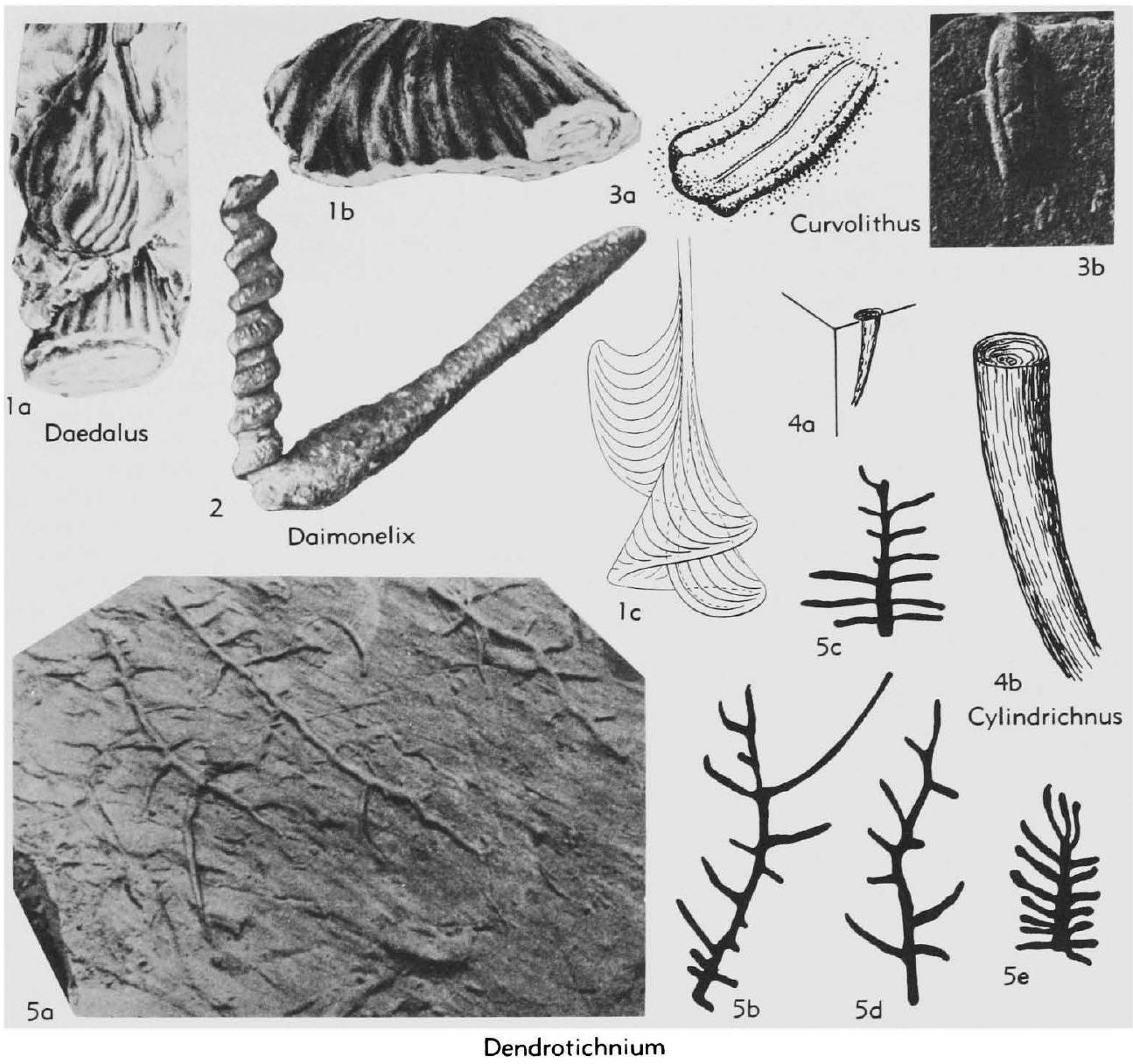 Fig. 36,4. *C. concentricus, Utah, 4a,b, diagram. (Howard, 1966).
Synonyms
Anemonichnus
Geographic Distribution
L.Penn., USA (Utah); U.Cret., USA(Utah-Wyo.-Kans.
Age Range
Beginning Stage in Treatise Usage:
L.Penn.
Beginning International Stage:
Bashkirian
Fraction Up In Beginning Stage:
0
Beginning Date:
323.4
Ending Stage in Treatise Usage:
U.Cret.
Ending International Stage:
Maastrichtian
Fraction Up In Ending Stage:
100
Ending Date:
66.04
Description
Subconical form, weakly curved, circular to oval in cross section with diameter of 10 to 20 mm., central core 2 to 4 mm.; exterior wall composed of concentric layers; preserved in full relief; orientation from nearly horizontal to vertical. [Interpreted as permanent burrow (domichnia) of filter-feeding organism.] [Considered by FREY & HOWARD (1970) as a form of Asterosoma.]
References
Museum or Author Information
Classification
Phylum:
Trace Fossils and Problematica
Class:
Trace Fossils
Formal Genus Name and Reference:
Cylindrichnus Toots in HOWARD, 1966, p. 45 [non Cylindrichnus BANDEL, 1967a, =Margaritichnus BANDEL, 1973]
Type Species:
*C. concentricus, M
Images
(Click to enlarge in a new window)
Fig. 36,4. *C. concentricus, Utah, 4a,b, diagram. (Howard, 1966).
Synonyms
Anemonichnus
Geographic Distribution
L.Penn., USA (Utah); U.Cret., USA(Utah-Wyo.-Kans.
Age Range
Beginning Stage in Treatise Usage:
L.Penn.
Beginning International Stage:
Bashkirian
Fraction Up In Beginning Stage:
0
Beginning Date:
323.4
Ending Stage in Treatise Usage:
U.Cret.
Ending International Stage:
Maastrichtian
Fraction Up In Ending Stage:
100
Ending Date:
66.04
Description
Subconical form, weakly curved, circular to oval in cross section with diameter of 10 to 20 mm., central core 2 to 4 mm.; exterior wall composed of concentric layers; preserved in full relief; orientation from nearly horizontal to vertical. [Interpreted as permanent burrow (domichnia) of filter-feeding organism.] [Considered by FREY & HOWARD (1970) as a form of Asterosoma.]