
Welcome to the Tracefossils subsite on Invertebrate Paleontology!
Please enter a genera name to retrieve more information.

Lennea
Classification
Phylum:
Trace Fossils and Problematica
Class:
Trace Fossils
Formal Genus Name and Reference:
Lennea Kräusel & WEYLAND, 1932, p. 189
Type Species:
*L. schmidti, M
Images
(Click to enlarge in a new window)
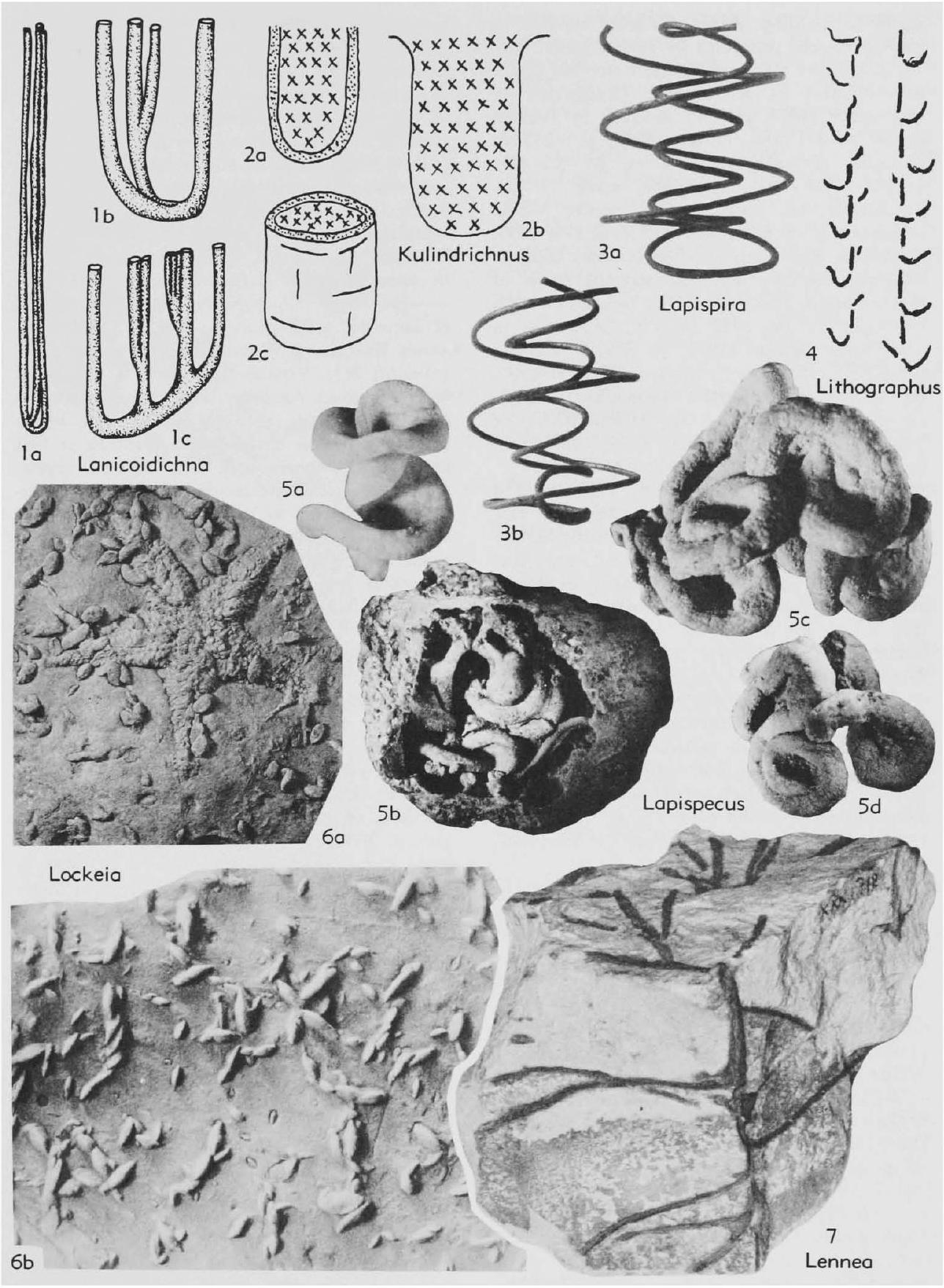 Fig. 48,7. *L. schmidti, M.Dev., Ger., X0.3 (Paulus, 1957)
Synonyms
Geographic Distribution
Ger.
Age Range
Beginning Stage in Treatise Usage:
Dev.
Beginning International Stage:
Lochkovian
Fraction Up In Beginning Stage:
0
Beginning Date:
419
Ending Stage in Treatise Usage:
Dev.
Ending International Stage:
Famennian
Fraction Up In Ending Stage:
100
Ending Date:
359.3
Description
Vertical shaft about 1 cm wide, with numerous narrower lateral tunnels branching off irregularly at right angles along whole length of vertical shaft, lateral branches at first approximately horizontal, then directed downward, branching dichotomously. [Originally interpreted as roots of plants; later recognized as trace fossil (feeding burrow) (KRXuSEL & WEYLAND, 1934, p. 100); for detailed description and discussion see PAULUS (1957) and FISCHER & PAULUS (1969).]
References
Museum or Author Information
Classification
Phylum:
Trace Fossils and Problematica
Class:
Trace Fossils
Formal Genus Name and Reference:
Lennea Kräusel & WEYLAND, 1932, p. 189
Type Species:
*L. schmidti, M
Images
(Click to enlarge in a new window)
Fig. 48,7. *L. schmidti, M.Dev., Ger., X0.3 (Paulus, 1957)
Synonyms
Geographic Distribution
Ger.
Age Range
Beginning Stage in Treatise Usage:
Dev.
Beginning International Stage:
Lochkovian
Fraction Up In Beginning Stage:
0
Beginning Date:
419
Ending Stage in Treatise Usage:
Dev.
Ending International Stage:
Famennian
Fraction Up In Ending Stage:
100
Ending Date:
359.3
Description
Vertical shaft about 1 cm wide, with numerous narrower lateral tunnels branching off irregularly at right angles along whole length of vertical shaft, lateral branches at first approximately horizontal, then directed downward, branching dichotomously. [Originally interpreted as roots of plants; later recognized as trace fossil (feeding burrow) (KRXuSEL & WEYLAND, 1934, p. 100); for detailed description and discussion see PAULUS (1957) and FISCHER & PAULUS (1969).]