
Welcome to the Tracefossils subsite on Invertebrate Paleontology!
Please enter a genera name to retrieve more information.

Quebecichnus
Classification
Phylum:
Trace Fossils and Problematica
Class:
Trace Fossils
Formal Genus Name and Reference:
Quebecichnus HOFMANN, 1972, p. 196
Type Species:
*Q. lauzonensis, OD
Images
(Click to enlarge in a new window)
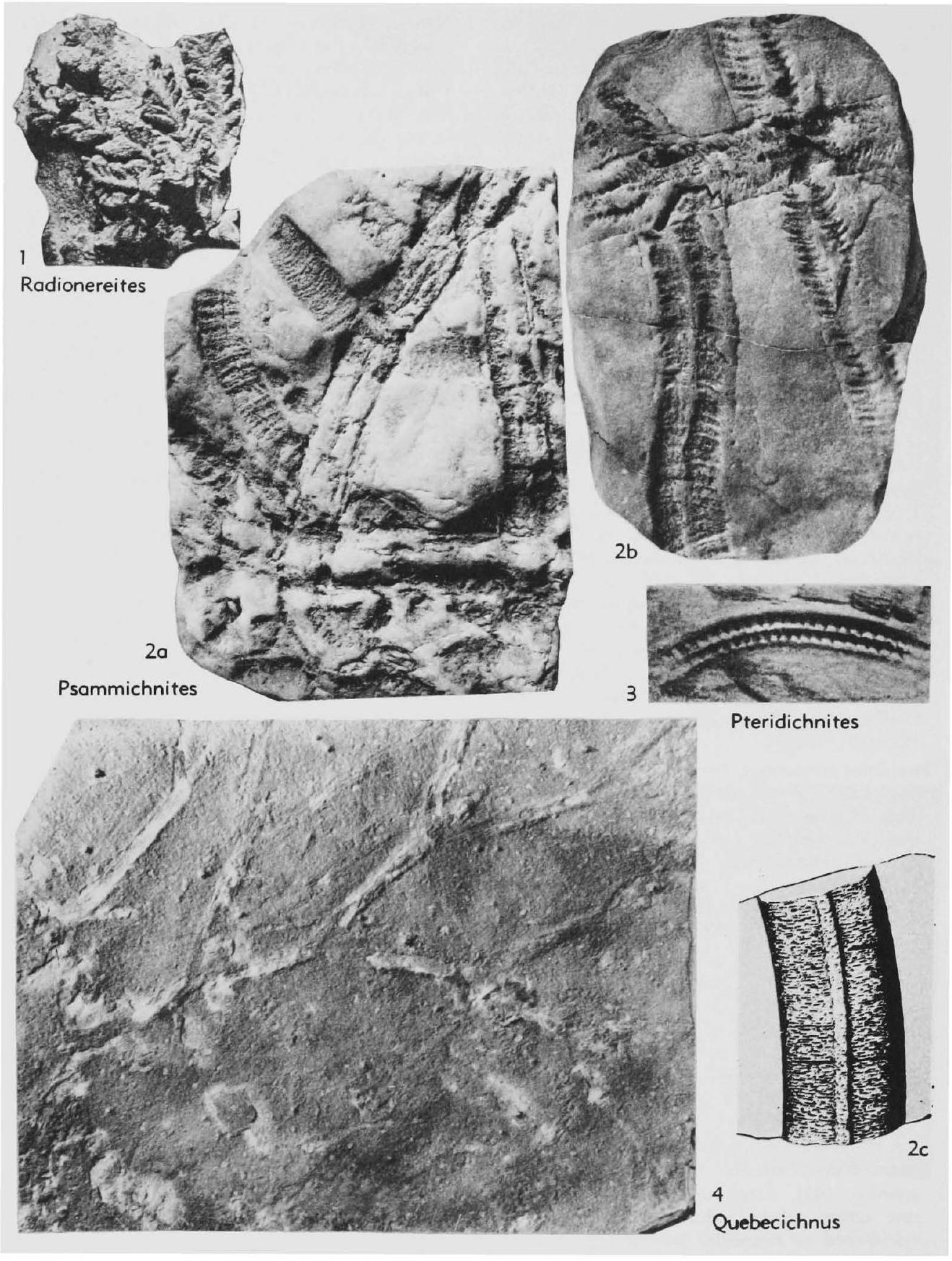 Fig. 62,4. *Q. lauzonensis, Quebec Gr.; X0.16 (Hofmann, 1972b).
Synonyms
Geographic Distribution
Can.
Age Range
Beginning Stage in Treatise Usage:
L.Ord.
Beginning International Stage:
Tremadocian
Fraction Up In Beginning Stage:
0
Beginning Date:
486.85
Ending Stage in Treatise Usage:
L.Ord.
Ending International Stage:
Floian
Fraction Up In Ending Stage:
100
Ending Date:
471.26
Description
Large, uniformly branching burrow systems along bedding planes, containing cylindroidal to ellipsoidal fecal pellets, branches generally nearly rectilinear, fairly uniform in length (10–30 cm) and width (1.5 cm), developed by repeated equal, distally directed, lateral forking from opposite points along distal half of individual segments. Burrows show multiple laminations indicative of upward displacement of burrows during successive stages occupation, similar to Teichnichnus. [Possible interpretation as being produced by one or several worms systematically traversing sediment.] [Description supplied by W. G. HAKES.]
References
Museum or Author Information
Classification
Phylum:
Trace Fossils and Problematica
Class:
Trace Fossils
Formal Genus Name and Reference:
Quebecichnus HOFMANN, 1972, p. 196
Type Species:
*Q. lauzonensis, OD
Images
(Click to enlarge in a new window)
Fig. 62,4. *Q. lauzonensis, Quebec Gr.; X0.16 (Hofmann, 1972b).
Synonyms
Geographic Distribution
Can.
Age Range
Beginning Stage in Treatise Usage:
L.Ord.
Beginning International Stage:
Tremadocian
Fraction Up In Beginning Stage:
0
Beginning Date:
486.85
Ending Stage in Treatise Usage:
L.Ord.
Ending International Stage:
Floian
Fraction Up In Ending Stage:
100
Ending Date:
471.26
Description
Large, uniformly branching burrow systems along bedding planes, containing cylindroidal to ellipsoidal fecal pellets, branches generally nearly rectilinear, fairly uniform in length (10–30 cm) and width (1.5 cm), developed by repeated equal, distally directed, lateral forking from opposite points along distal half of individual segments. Burrows show multiple laminations indicative of upward displacement of burrows during successive stages occupation, similar to Teichnichnus. [Possible interpretation as being produced by one or several worms systematically traversing sediment.] [Description supplied by W. G. HAKES.]